Avon, CT Exterior Paint Check Before Winter: Fixing Peeling Trim and Failed Caulk Before the Freeze
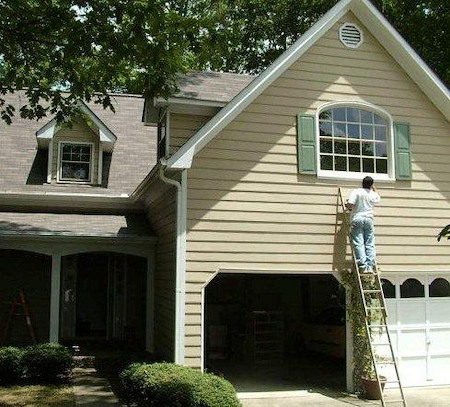
As nights get colder in the Farmington Valley, small paint and caulk failures can turn into big spring repairs. If you own a home in Avon, a quick late‑October walk‑around can protect your siding and trim all winter. This guide explains what to look for, why it matters in Connecticut’s freeze‑thaw cycle, and how the pros at Perkins Painting, LLC handle targeted cold‑season touch‑ups. If you are weighing options, start by seeing how our exterior painting team approaches problem areas and surface protection.
For a broader look at quality and process, you can also explore exterior house painting in Avon, CT with examples and guidance that will help you decide what to do now and what to schedule for spring.
Why Small Paint Failures Snowball In A Connecticut Winter
Water is the enemy once temperatures dip. When paint peels or caulk pulls away, even hairline gaps let water reach bare wood. That trapped moisture freezes, expands, and then thaws. Repeated cycles push more paint off, open wider gaps, and stress fasteners. Over a single winter, a small blister becomes a patch of missing paint or a soft spot in trim.
Horizontal surfaces suffer first. Window sills, drip caps, and bottom edges of clapboards hold water and snow. North and shaded sides along the ridges near Talcott Mountain often stay damp longer, so failure accelerates there. **Do not ignore peeling on horizontal trim** where water lingers after rain or frost melts. Left alone, those edges can wick moisture into end grain and corners.
Once wood fibers are exposed, they absorb water like a sponge. That constant wet‑dry swing can raise grain, split checks, and invite decay. **Wood that stays wet can rot**, and by April you may see cupping boards or punky areas that no longer hold paint well. A simple fall check helps you stop that chain reaction early.
Late-October Walk‑Around Checklist: Where To Look First
Take a slow lap around your home in Avon, including shaded sides and spots that face prevailing winds along Route 44. You are only looking for signs, not fixing anything on your own. Focus on these high‑risk areas:
- Window sills and bottom rails, especially on north and west sides
- Door trim and thresholds where snow and splashback collect
- Bottom edges of clapboards and the first course above the foundation
- Joints where caulk has cracked or pulled away at corners and trim returns
- Fascia, rakes, and soffit seams that catch melting frost
- Porch posts, rail bottoms, and stair stringers close to grade
- Drip caps above windows and doors that show hairline splits
- Corner boards where vertical seams open and let water track behind
What you might see: lifting paint along edges, small blisters, hairline caulk gaps, gray wood peeking through old coating, or dirty runs that trace a leak path. Make a quick list and note locations. Photos on your phone help a pro estimate what can be stabilized now versus what should wait for spring.
What Pros Can Still Do In Late Fall
In many Avon neighborhoods, sunny afternoon windows let exterior surfaces warm up just enough for targeted repairs. When the weather lines up with a product’s label, our crew can stabilize small failures so they do not spread all winter. We focus on the worst edges first, because that is where water wins fastest.
Here is the key: product ratings matter. Some premium exterior paints and sealants are formulated to cure down to about 35°F, while many standard lines still need 50°F or higher. **Always follow the temperature printed on the label**, including the required window before and after application. That cure window often matters as much as the daytime high.
When conditions meet the specs, our process targets the areas you flagged during your walk‑around. We address limited sections by removing failed material, sealing wood, re‑caulking open joints, and applying protective topcoats only where appropriate. If you want an overview of how this fits into a complete project, browse our services and see how spot protection connects to full coating systems. You can also skim recent painting tips for seasonal planning and maintenance timing.
These steps are not about changing colors or finishing large walls in the cold. They are about buying time and blocking water until true painting weather returns. When we complete stabilization, we leave the area weather‑tight and ready for a full repaint later.
Local insight: South‑facing walls in West Avon and around Secret Lake often dry faster on clear afternoons, but valley fog can keep north walls damp. Schedule work only when surfaces are fully dry, and expect shade lines to change the daily window.
How Freeze‑Thaw Affects Specific Materials
Different exterior elements respond in different ways. Understanding the pattern helps you decide what must be stabilized now.
- Painted pine trim: open end grain at mitered corners wicks water and chips at the lower edges first.
- Fiber cement siding: paint rarely peels broadly, but caulk joints at trim transitions can open and admit water behind boards.
- Hardwood sills or older custom trim: micro‑checks widen with ice, then shed more finish by spring.
- Aluminum or vinyl‑wrapped trim: failure shows at cut ends or penetrations where caulk shrinks.
In each case, the goal is to keep water out of seams and off exposed wood until warmer weather allows full prep. **Small gaps can let in a lot of water over a long winter**, especially on windy ridgelines and open lots along the valley.
When To Schedule A Full Repaint For Spring
Cold‑season touch‑ups are not the right solution for every home. Plan a spring repaint if you see widespread edge failure, multiple elevations with peeling, or wood damage that extends beyond the first layer. If more than a few sections of clapboards or large sections of trim are down to bare wood, spring is the smarter move. The same is true if you want a color change or if daytime temperatures rarely meet label requirements for weeks at a time.
Spring calendars fill quickly across Avon and neighboring towns, so **book early if you need a full repaint**. We can stabilize priority areas now and reserve your place for thorough prep and finish coats when the weather is steady. Learn how we handle full prep, priming, and topcoats on our exterior painting page, then ask us to build a phased plan for your home.
Exterior House Painting In Avon, CT: A Simple Plan That Works
Here is a clear, low‑stress path many local homeowners follow between late October and early December:
- Do the quick walk‑around using the checklist above and note specific locations.
- Send us a few photos and your address. We will confirm what can be stabilized safely in the current forecast.
- We complete targeted sealing, priming, and spot protection on acceptable weather days to stop water intrusion.
- We schedule a full repaint for spring if your home needs broader prep or a fresh color scheme.
- Keep gutters clear and shrubs trimmed off the siding so surfaces dry faster over winter.
This phased approach respects the weather, protects vulnerable edges, and sets you up for a smooth spring finish. It also helps you avoid surprises like soft trim or swollen clapboards when the snow melts.
Local Conditions To Keep In Mind
Avon’s microclimate matters. Homes tucked near Talcott Mountain tend to see earlier shade and longer morning frost, while open lots along Route 44 get more wind that strips heat from surfaces. Driveway snow piles can splash dirty meltwater on lower courses of siding. Our team times work to match those patterns so coatings cure right and last.
We watch for three things before any cool‑weather application: a dry surface, a forecast that meets the product’s full cure window, and stable humidity. If any one of those is off, we pause. It is better to protect with primer and sealant on another day than to rush a topcoat that will not bond well.
Why Choose Perkins Painting, LLC For Exterior Painting In Avon
Choosing a local crew that understands Connecticut winters is half the battle. Our estimators know where paint fails first on Colonial, Cape, and contemporary styles across the Farmington Valley. We use proven primers and high‑quality sealants that are rated for cool weather when needed, and we schedule work to the sun so edges dry and cure properly. You get clear communication, careful protection of landscaping, and neat job sites from start to finish.
Questions about timing or scope? Call us at 860-666-8850. We will review your photos, talk through priorities, and outline whether stabilization now or a spring repaint is the better choice for your home.
Protect Your Home Before The Freeze
You do not have to wait until April to take smart action. A quick check today, plus targeted professional repairs, can keep water out of wood all winter and save larger sections from peeling by March.