How to Prep and Paint High-Humidity Basements in Farmington CT
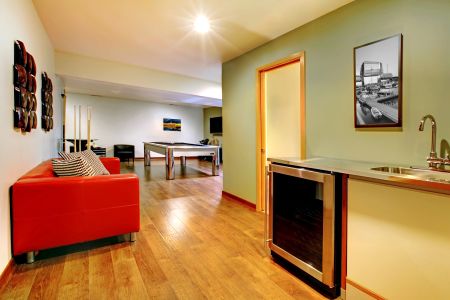
Basements across the Farmington River Valley run humid for much of the year. That moisture works its way through below-grade concrete and masonry, then pushes on the paint film until it blisters or flakes. If you want results that last, the process to paint high-humidity basements in Farmington, CT starts with accurate moisture testing, not just a new coat of color.
At Perkins Painting, LLC, we focus on durable, healthy finishes that hold up through New England’s damp springs and long shoulder seasons. Our team brings commercial tools, proven primers, and anti-microbial coatings so finished spaces in Unionville, Farmington Village, and the UConn Health area stay clean and bright.
For homeowners planning a finish or refresh, partnering with an experienced interior painting team is the surest way to protect walls before color ever hits the surface.
Why Humidity Makes Basement Paint Fail In Farmington, CT
Basement walls are different from drywall above grade. Concrete and block walls absorb water from rainy weeks and snowmelt, then release it slowly. When humidity rises along the Farmington River, water vapor travels through the wall and behind the paint film. The film softens, loses adhesion, and lifts.
Efflorescence is another red flag. Those chalky white crystals show salts carried by moisture moving through the wall. If you paint over it without addressing the source, the new finish will peel again. Painting without moisture control traps problems under color and almost always shortens the life of the coating.
Moisture Diagnostics Pros Use Before Any Paint
Good results start with data. Our crew documents basement conditions over time, not just at a single moment. That matters after a week of thunderstorms or a sudden warm-up along Talcott Mountain.
- Hygrometer readings: We monitor relative humidity to understand daily swings and the baseline your basement lives with.
- Moisture mapping: We scan walls and floors for cool, damp zones, then check for vapor drive near corners, stairwells, and the River-facing side.
- Efflorescence and previous coating checks: We identify loose or incompatible old paint so primers can bond.
If readings stay elevated or new water is entering, paint is not the first step. We’ll discuss ventilation, targeted dehumidification, and timing so the wall is ready for a long-lasting system.
Local insight: After heavy rain on the Farmington River, basement humidity can spike for several days even if you don’t see standing water. Scheduling coating work during a dry stretch helps primers cure and lock in properly.
Prep That Lasts On Concrete And Masonry Walls
Surface prep in a humid basement is more involved than a quick wipe and roll. We tailor the process to your wall type and condition, whether it’s poured concrete in Devonwood or older block near the historic district.
Deep Cleaning and Neutralizing
Dust, oils, and old efflorescence interfere with adhesion. We remove loose material, wash mineral deposits, and neutralize the surface so primers can grab. If there is previous flaking, we feather edges and test small sections to confirm bond strength.
Addressing Cracks and Joints
Hairline cracks and mortar joints act like tiny moisture highways. We fill, tool, and, when needed, use breathable patch materials so the repair supports the entire coating system. The goal is a stable, continuous substrate that still allows controlled vapor movement.
Commercial-Grade Waterproofing Primers
Before color, we apply a masonry water-proofing primer that is designed for below-grade conditions. These primers help resist hydrostatic pressure, block salts, and create a uniform base for finish coats. On challenging walls, we may use two primer coats, allowing proper cure time based on humidity and temperature inside your Farmington, CT home.
Choosing Anti-Microbial Paint Systems For New England Basements
Seasonal dampness in the Valley can feed odors and surface growth. That’s why we specify finish coats with built-in anti-microbial protection. These coatings help your walls stay fresher between dehumidifier cycles and summer storms.
Finish sheen depends on how you use the space. Durable satin or low-sheen washable finishes make sense for playrooms or home gyms, while a soft matte can be chosen for media rooms. Either way, selecting an interior paint engineered to resist mold and mildew is critical when the wall sits against cool, damp soil.
Our Pro Application Sequence For Reliable Results
Every basement is different, but our sequence follows a proven order that respects moisture science and the products we use in Farmington, CT homes.
- Stabilize conditions: We aim for steady humidity and temperature so products cure as intended.
- Thorough prep: Cleaning, abrasion where needed, repairs, and masking to protect finished floors and trim.
- Primer build: One or more coats of commercial-grade masonry water-proofing primer, with dry times verified.
- Finish system: Two uniform coats of high-performance interior latex with anti-microbial properties.
- Detailing: Caulked transitions, crisp lines, and final inspection under bright, raking light.
If your project includes adjacent drywall or a finished stairwell, our interior painting specialists coordinate sheens and colors so the entire level reads as one clean, finished space.
What We Evaluate In Farmington, CT Basements
Before we write a scope, we look at the true condition of your space. This helps prevent callbacks and keeps your finish looking new longer.
- Humidity trends over several days, not just a single snapshot
- Signs of seepage after storms rolling through the Farmington River corridor
- Efflorescence patterns that reveal vapor paths
- Compatibility of any existing coatings on concrete or block
- Air movement and dehumidifier placement for ongoing control
Common Trouble Areas We Solve
Knowing where issues hide saves time and protects your investment. Homes near low-lying sections like Tunxis Mead or along shady lots see different patterns than sunlit slopes toward Avon and West Hartford.
Typical hotspots we address include:
- Cold corners where condensation lingers
- Foot-of-wall zones near slab edges and utility penetrations
- Under stairs and behind storage where air stays still
- Painted block walls that were never primed for below-grade conditions
Color And Light Choices That Work Below Grade
Light matters in a basement. Softer, slightly warm neutrals can offset cool concrete and help smaller rooms feel open. For rooms with limited daylight, we often pair a light wall color with a brighter ceiling to bounce light back into the space.
Durable trims in semi-gloss add contrast and cleanability. We sample under your actual lighting so what you approve is what you see once the space is complete.
Timing Your Project Around Valley Weather
Farmington’s damp spells cluster in late spring and again in early fall. We schedule coating phases when conditions help products cure strong. If you’ve had recent water intrusion, we’ll plan a hold period and recheck with a hygrometer so the wall has settled before primer.
For homeowners comparing bids, ask about moisture testing and below-grade primers. Any plan that skips these steps risks peeling within a season, especially near the River or shaded lots that stay cool.
Health And Comfort Benefits You Can Feel
This is about more than looks. A stable, mold-resistant finish helps reduce musty odor and makes regular cleaning faster. Your playroom, office, or guest suite will feel drier and more comfortable through July humidity and October rains.
We stand behind our process. Perkins Painting, LLC pairs careful diagnostics with the right products for below-grade work so you get a finish that lasts.
If you are researching options, you can learn more about our company and services by visiting paint high-humidity basements in Farmington, CT on our home page, then compare approaches and timelines that fit your household.
Ready For A Dry, Healthy Basement In Farmington, CT?
Let’s turn your basement into usable space with coatings built for moisture. Talk with a project lead at Perkins Painting, LLC and we’ll map a plan that respects the science behind below-grade walls and your goals for the room.
Call us at 860-666-8850 or schedule an in-home consult. Our team will test with a hygrometer, recommend a commercial-grade masonry water-proofing primer, and specify an anti-microbial finish that resists mold and mildew growth common in seasonal New England dampness. For details on our process, explore our interior painting service and see how we protect and beautify basements across Farmington, CT.